
Packing List
Heading to the hospital for a procedure or an unexpected admission is stressful enough without having to worry about what to bring. Whether you are packing for a scheduled open-heart surgery or throwing together a last-minute "go-bag," we have put together this checklist based on the experiences of Kerrington's Heart families who have been exactly where you are.
Parent-to-Parent Hospital Bag checklist
For Your Heart Warrior (The Patient)
Button-down or zip-up clothing: This is the most important clothing tip! After surgery, your child will have wires, leads, and possibly chest tubes. Shirts and pajamas that snap, zip, or button down the front make dressing much easier and give nurses easy access to their chest.
A favorite comfort item: Bring their favorite soft blanket, stuffed animal, or pacifier to make the sterile hospital bed feel a little more like home.
Entertainment for recovery: A tablet loaded with their favorite movies (don't forget the charger!), coloring books, or a few small, easily washable toys.
Cozy socks or slippers: Hospital floors are cold, and having their own socks with grippy bottoms is helpful when they are cleared to walk the halls.
Nighttime Sound Machine: Hospitals are loud, and shift changes can be disruptive. A portable white noise machine helps drown out the alarms and chatter.
Ceiling Light Projector: When your baby is lying on their back in a hospital crib, a gentle nighttime light projector gives them something soothing to look at instead of bright fluorescent lights.
Hospital Bed Mobile: A clip-on mobile attachment with music and lights is perfect for distracting them during procedures and providing comfort when you can't hold them.
Important Documents & Logistics
Medical Information: Your child's insurance cards, your ID, and a printed list of their current medications and exact dosages.
Snacks and a refillable water bottle: Keep non-perishable snacks (granola bars, trail mix, crackers) in your bag so you don't have to leave the room every time you need a bite to eat. Staying hydrated is also crucial for your own stamina!
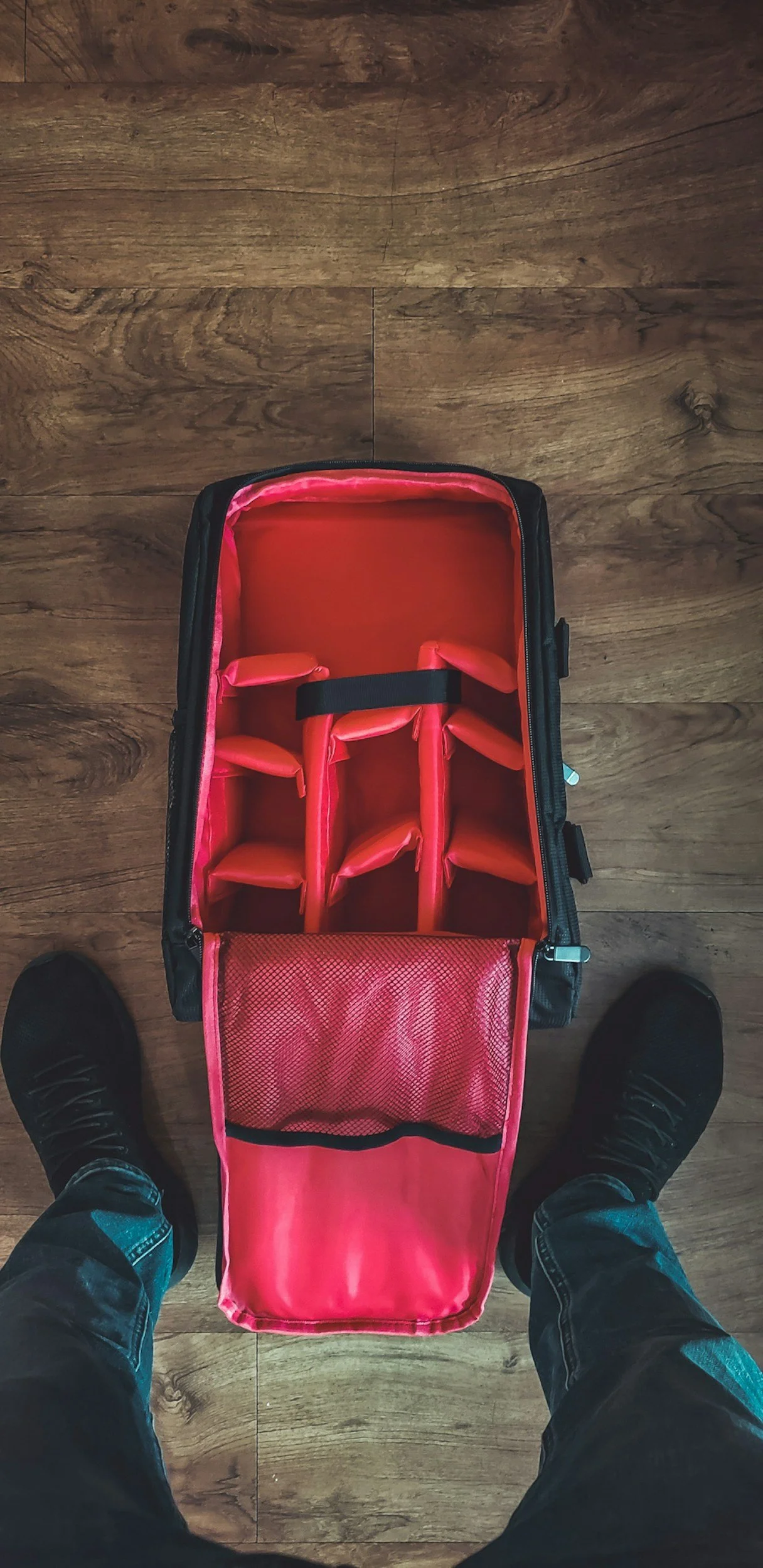
For the Parents & Caregivers
Extra-long phone chargers: Hospital wall outlets are notoriously far away from the seating areas and beds. An extra-long charging cord (10 feet or more) is a lifesaver.
A dedicated notebook and pen: You will be given a lot of information during daily rounds. Having a dedicated notebook allows you to write down medical terms, track medication schedules, and list out questions for the doctors before they visit the room.
Comfortable, layered clothing: Hospital temperatures fluctuate wildly, but the cardiac intensive care unit (PCICU) is often kept very cold. Bring zip-up hoodies, comfortable sweatpants, and a warm pair of socks.
Slip-on shoes: You will be taking your shoes on and off frequently to get comfortable on the pull-out couch, and you'll want something easy to slip on for quick runs to the cafeteria or restroom.
Toiletries & dry air remedies: Hospital air is incredibly dry. Pack a good lip balm, hydrating lotion, your toothbrush, and dry shampoo for the days you can't step away for a shower.
Your own pillow and blanket: The pull-out couches or recliners in hospital rooms are not known for their comfort. Bringing your own pillow and mattress topper from home can help you get those precious few hours of sleep.
Earplugs and an eye mask: Hospitals are noisy 24/7. Alarms, beeps, and hallway chatter never stop, and the lights are often on or dimmed.

Kerrington’s Heart Tip:
Keep a small "grab-and-go" bag permanently packed in your car or by your front door with travel-sized toiletries, a phone charger, and a change of clothes just in case of an unexpected ER visit.