
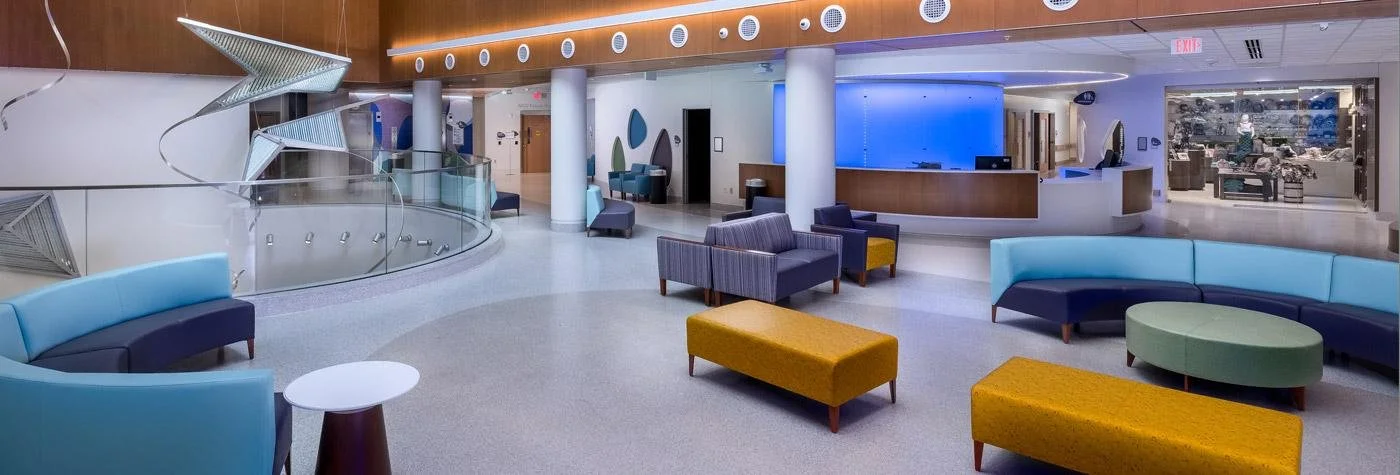
Hospital
Life
Navigating the hospital while worrying about your child is incredibly overwhelming. Take a deep breath. We have walked these halls, slept in these waiting rooms, and drank a lot of hospital coffee.
Here is everything you need to know to survive your stay at Golisano Children’s at UK, from where to park to where to find a quiet moment to yourself.
Media credit: UK Golisano Children’s
Golisano Children’s at UK Heart Parent’s Survival Guide
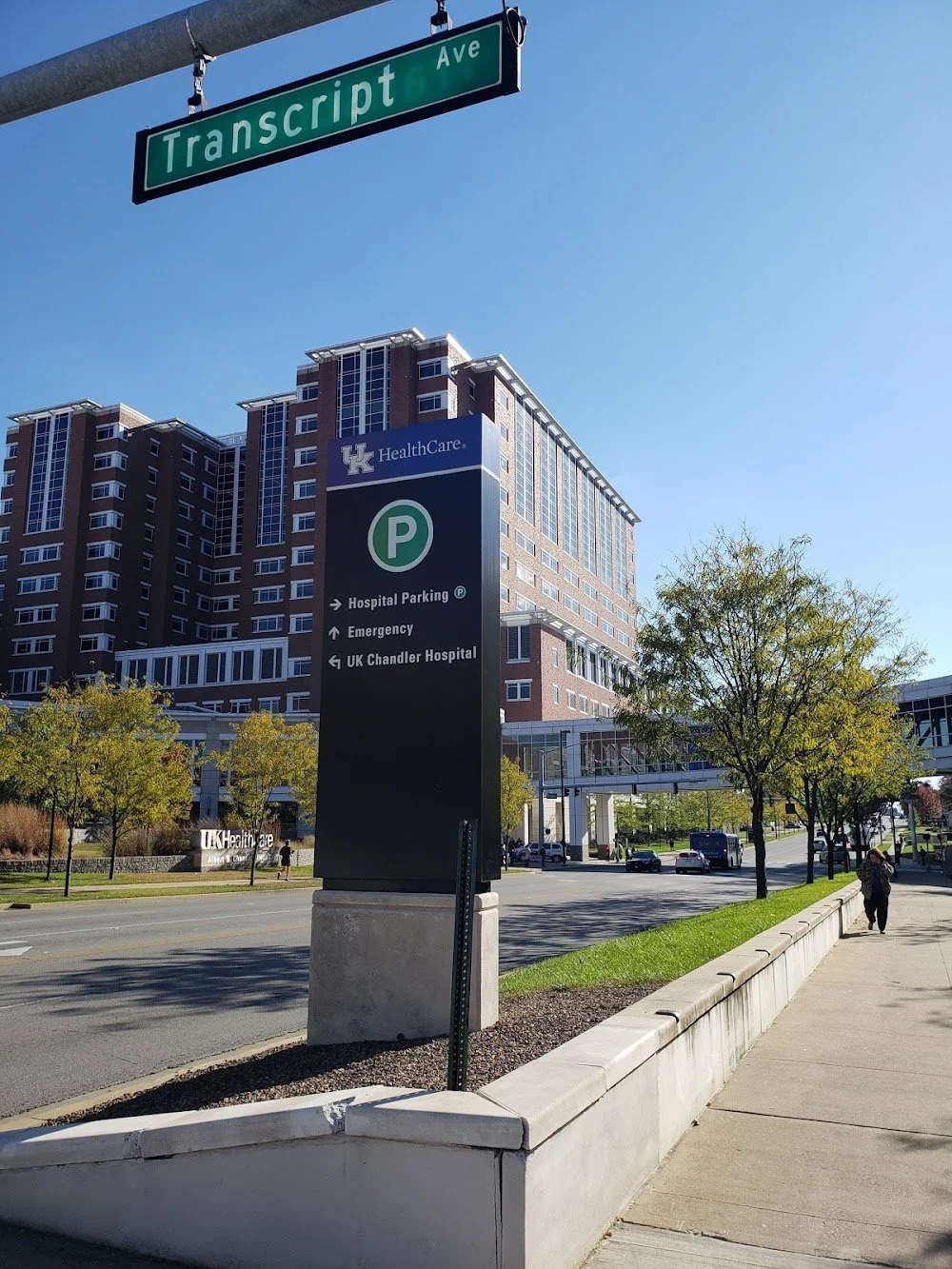
Park in the main UK Healthcare parking garage located at
110 Transcript Ave.Parking is free for UK Healthcare patients and visitors.
Level A of the garage has a wheelchair-friendly shuttle that runs 24 hours a day. Level C has the pedway.
The walk from the garage to the children's hospital entrance can feel long. There are wheelchairs and transport carts available near the garage elevators if you are carrying lots of bags or a car seat.
If you have questions, stop by an information desk or ask a service ambassador in the garage.
❋ Getting There & Parking
Media Credit: UK Healthcare
Media Credit: UK Healthcare
You cannot pour from an empty cup. Please remember to eat!
Kerrington's Heart provides free snacks and drinks right inside the PCICU specifically for heart families. If you can't step away from the bedside, just ask your child's nurse to grab you something from our stash.
The Main Cafeteria is located on the first floor of Pavilion A and is open 22 hours a day (closed 5-6 a.m. and 10-11 a.m. for meal changes).
When you desperately need caffeine, you can find it in the Courtyard Cafe which is located on the ground floor of Pavilion A. It serves coffee, drinks, pastries, salads, soups, and sandwiches. It is open Monday - Friday, 7:30 a.m. - 5 p.m.
Vending Machines and a microwave are available 24 hours a day on the first floor of Pavilion H.
Starbucks is located on the first floor of the Kentucky Clinic. Open Monday - Friday, 6:30 a.m. - 5:00 p.m.
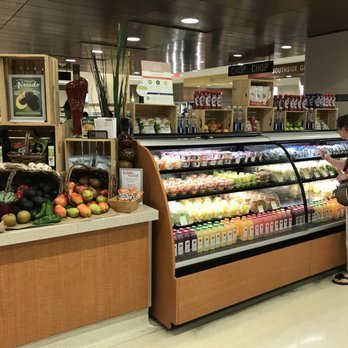
Forgot something from home? The hospital gift shop located on teh ground floor near Entrance A, offers a wide range of personal care items, reading material, cards, drinks, candy, snacks and unique gift items.
❋ Coffee, Food, & Essentials
Media credit: UK Golisano Children’s
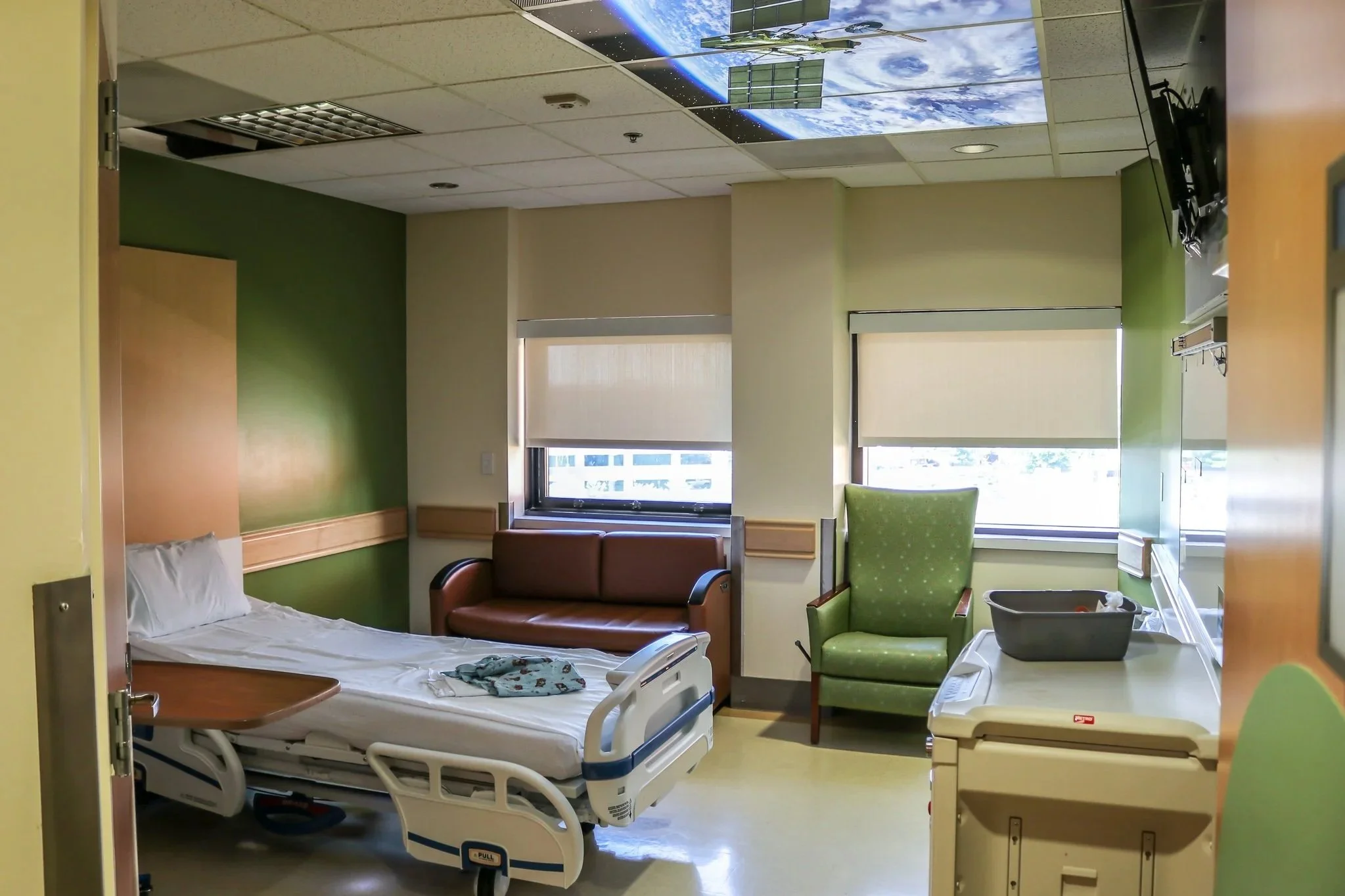
You need to sleep so you can be a strong advocate for your baby.Inpatient rooms typically feature a sleep couch, recliners, and in the NICU special amenities like kangaroo chairs and breast pumps. Most units allow one or two caregivers to stay overnight.The Ronald McDonald Family Room is a hidden gem! Located right across from the Pediatric ICU, this room is completely free for families. It offers a quiet place to sit, free snacks, laundry machines, and sometimes even hot meals.Is your phone dying from updating family members? Keep an eye out for our bright red Kerrington's Heart charging station located inside the Pediatric Cardiac ICU so you never lose connection!
❋ Resting & Recharging

Main Number 859-323-5000
Patient Information 859-323-5816
Child Life 859-323-6551
Food Services
Customer Relations 859-257-2178
Pastoral Care 859-323-5301
❋ Important Phone Numbers

❋ Understanding Your Child’s Care Team
It is completely normal to feel overwhelmed by the number of people caring for your child. Because we are a teaching hospital, your child's care is supported by a full team of specialists, residents, and nurses. Here is a quick guide to who’s who on your medical team.
Attending Physician: This is the senior doctor who is ultimately in charge of your child’s care. They have completed all of their medical training and supervise the rest of the medical team.
Fellow: A fully licensed doctor who has already finished their general pediatric residency and is now completing advanced training to become an expert in a specific sub-specialty (like pediatric cardiology or oncology).
Resident: A doctor who has graduated from medical school and is training in general pediatrics. They provide direct, day-to-day care under the supervision of the attending physician.
Intern: A doctor in their very first year of residency training after graduating from medical school.
Medical Student: A student currently in medical school studying to become a doctor. They are an important part of the learning environment but do not make final medical decisions.
Nurse Practitioners & Physician Assistants: Highly trained and licensed professionals who work closely with the attending physician to examine patients, diagnose conditions, and prescribe medications.
Nurses (who wear galaxy-blue scrubs) are the primary point of contact between you and your healthcare team both at the bedside and in outpatient settings. They perform frequent patient evaluations, including monitoring and tracking vital signs and performing procedures such as IV placement, drawing blood and administering medications.
Certified nursing care technicians (who wear turquoise scrubs), sometimes called nursing assistants, provide assistance with your activities of daily living under the direction of the registered nurse.
❋ Advice from the Trenches: Tips from Kerrington's Heart Parents
We asked our statewide community of heart moms and dads what their best "insider hacks" are:
❋ Navigating the PCICU
The Pediatric Cardiac Intensive Care Unit (PCICU) is where the magic happens, but it can be an intimidating place with lots of alarms and wires.
The PCICU is located on the
[Insert Floor Number]floor.The hospital is highly secure. You will need to check in at the front desk with your ID to get your parent badge. Keep this badge on you at all times!
Nursing shift changes usually happen at
[e.g., 7:00 AM and 7:00 PM]. The unit might be closed to visitors for a short time during shift change so nurses can pass along vital information.